 Tiny Hearts CPR
Heartsaver CPR Class in Indianapolis: Who It Is For and What the Card Covers
What an American Heart Association Heartsaver CPR AED First Aid class covers, who needs the card in Indianapolis (teachers, daycare staff, coaches, workplaces), how long it takes, and how Tiny Hearts CPR delivers it on site.
If a school, a daycare, a coaching league or an employer has asked you for a CPR card, the card they usually mean is Heartsaver. Heartsaver CPR AED First Aid is the American Heart Association course written for people who are not healthcare providers but who may need to respond to an emergency at work or in a program. Tiny Hearts CPR teaches it across Indianapolis and Hamilton County, on site at your school or workplace, with same day certification cards. This is who it is for and what it covers.
Who needs a Heartsaver card
Teachers and school staff. Daycare and childcare providers, for whom Indiana licensing requires current CPR and first aid training. Youth sports coaches and camp counselors. Personal trainers and fitness staff. Church nursery volunteers. Workplace safety teams and designated first responders in offices, warehouses and shops. Nannies and babysitters. Parents who want a formal card rather than a family class. The common thread is a role where someone else's safety is part of the job and an organization wants documented training.
What the class covers
Heartsaver CPR AED covers adult, child and infant CPR, how to use an AED, and how to help a choking adult, child or infant. The first aid portion covers the emergencies most likely in a school or workplace: bleeding and wound care, burns, sprains and broken bones, allergic reactions and epinephrine auto injectors, seizures, fainting, diabetic emergencies, and when to call for help. The infant compression skills are taught the way current guidelines direct, with hands on practice on manikins until every student can do them. Nothing is lecture only; every skill is practiced.
How long it takes and what you leave with
A full CPR AED First Aid class runs a few hours depending on the group size and which modules the organization needs. Students who complete the skills leave with an American Heart Association Heartsaver certification card issued the same day, valid for two years. For staff who have completed the online portion of an AHA blended learning course, Tiny Hearts CPR also offers the in person skills check that completes the certification.
Renewals and keeping a whole staff current
Because the card is good for two years, a school or a daycare has staff expiring on a rolling basis, and chasing individual renewals is how a building ends up with three people out of date on the day licensing visits. The simpler approach is one on site class a year that recertifies everyone due in the next twelve months and certifies new hires at the same time. Tiny Hearts CPR keeps a record of who was certified and when, so the director can see at a glance who is due, and the annual class goes on the calendar before anyone lapses.
On site training for schools, daycares and workplaces
The easiest way to certify a group is to bring the class to them. Tiny Hearts CPR trains on site across Indianapolis, Carmel, Fishers, Noblesville and Westfield, with manikins, AED trainers and materials brought to your building. A daycare can certify its whole staff on a closure day. A school can train the nurse's office and the coaching staff together. A workplace can meet its safety plan without sending people across town. Custom group training can be scoped to the modules a particular organization needs.
What a class day looks like
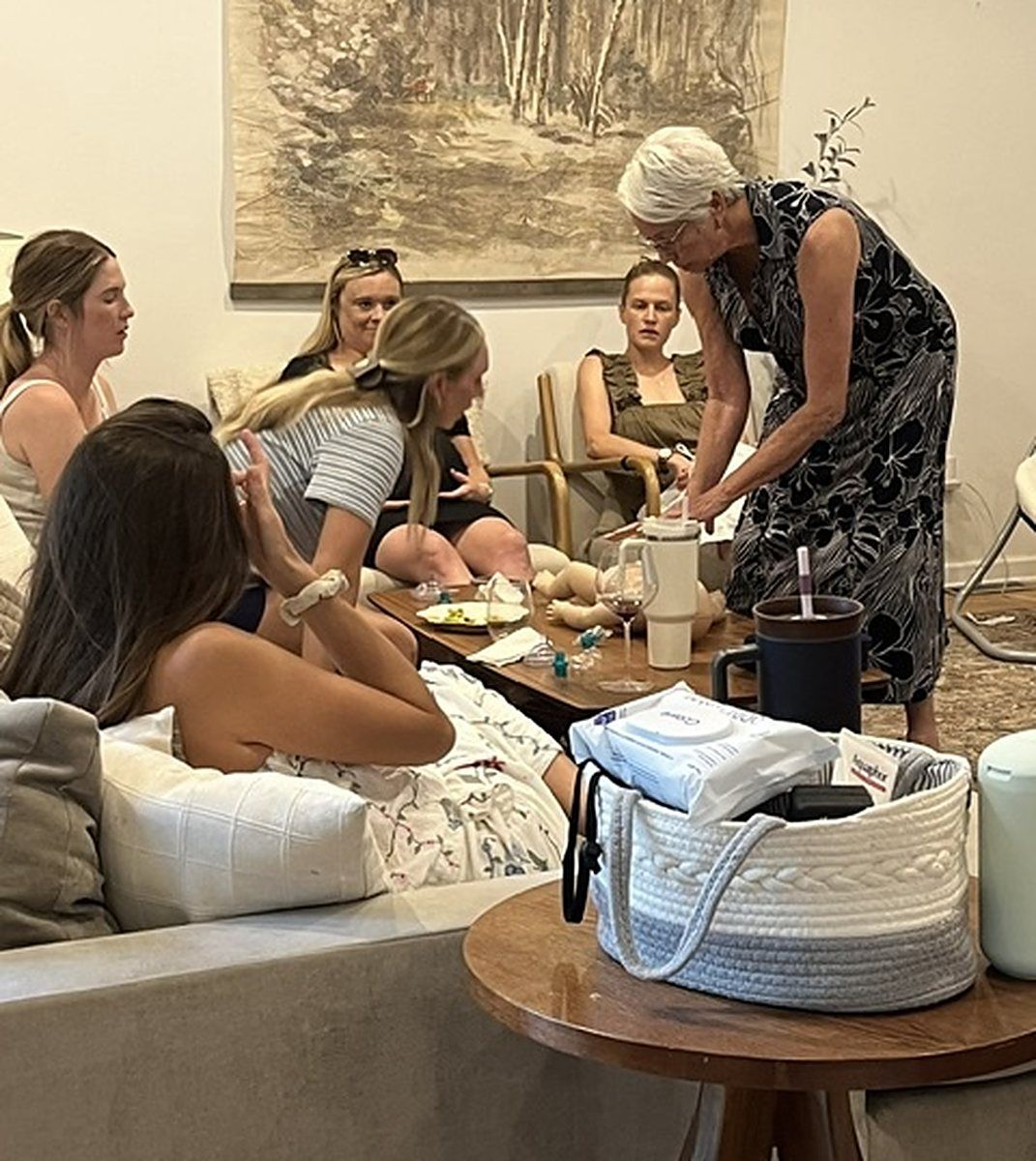
A Heartsaver class with Tiny Hearts CPR is hands on from the first ten minutes. Students work in small groups with adult, child and infant manikins, practicing compressions and breaths until the rhythm and the depth are right, then repeating it with the AED trainer so the sequence is automatic. Choking response is practiced on the manikins for each age. First aid skills are practiced with real supplies: bandaging, splinting, using a training epinephrine auto injector. The instructor watches every student perform every skill, corrects technique on the spot, and does not sign a card until the skills are done correctly. Groups leave with more than a card; they leave having done the thing, which is what makes the difference on the day it matters.
Heartsaver versus BLS: which card do you need?
Heartsaver is for lay rescuers: people who are not healthcare providers. BLS for Healthcare Providers is the course nurses, medical assistants, dental staff and other clinical roles are required to hold. If an employer asks for BLS, Heartsaver will not satisfy it, and the reverse is also true. Tiny Hearts CPR teaches both. If you are not sure which one your role requires, ask; the Heartsaver course page and the BLS course page describe each.
Parents: card or party?
New parents in Hamilton County often ask whether they should take Heartsaver or book an infant CPR party. The party, taught from the AHA Friends and Family curriculum in your home for up to ten guests, is the right choice for a family that wants the skills without a certification card. Heartsaver is the right choice when a card is required for a job or a program. The infant CPR party post explains the family option.
Frequently asked questions
Is the Heartsaver card issued the same day? Yes. Students who complete the class leave with the AHA card the same day.
How long is the certification good for? Two years.
Can you certify our whole daycare staff at once? Yes. On site group training is the normal way daycares and schools certify their teams.
Do you teach advanced courses for hospital staff? No. Tiny Hearts CPR teaches Heartsaver and BLS for Healthcare Providers.
Need Heartsaver cards for your team? Schedule an on site class with Tiny Hearts CPR.
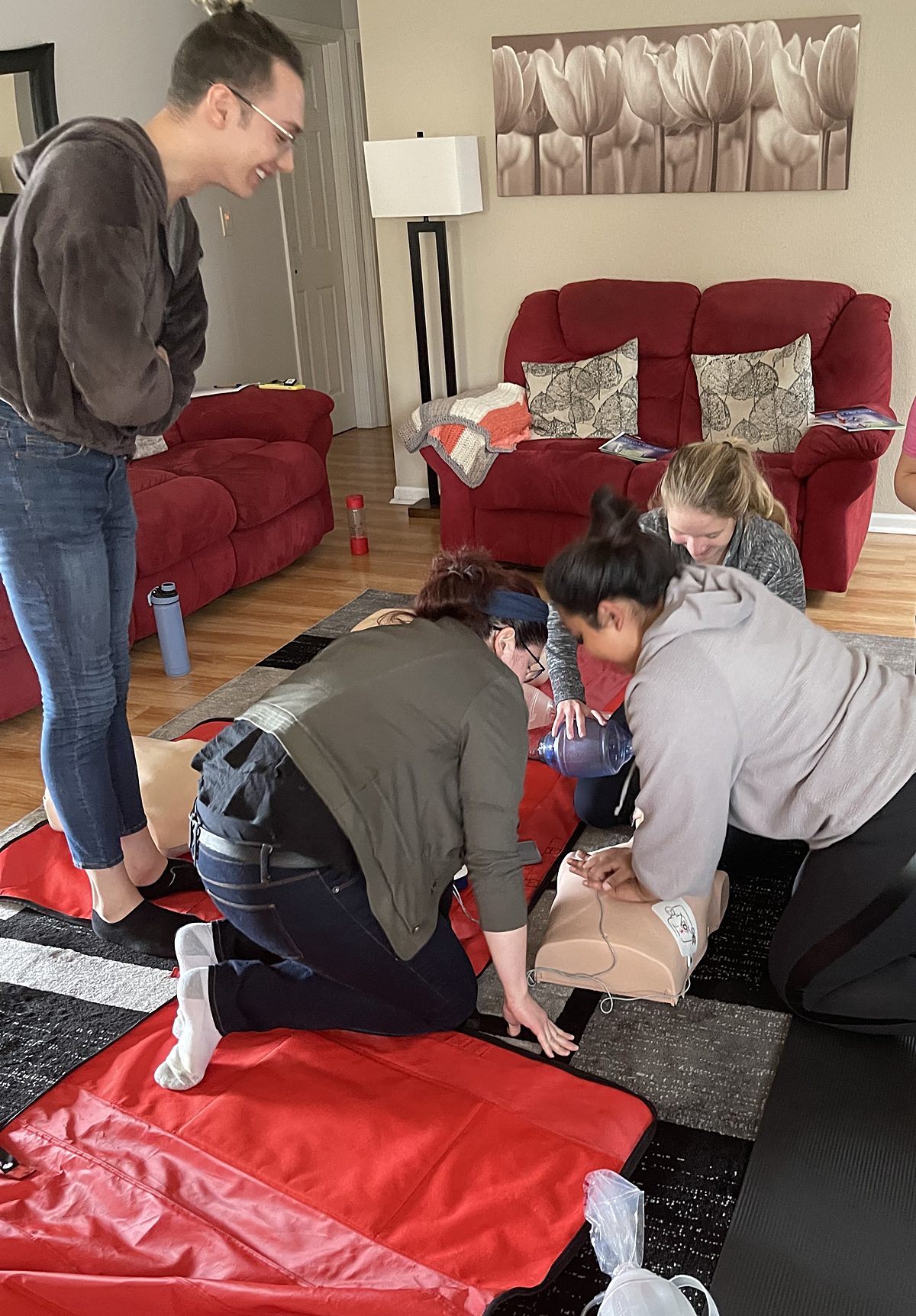
Reading gets the sequence into your head. It does not get it into your hands.
Every person in the room does every skill with their own hands, on a manikin, with a nurse watching and correcting. That correction is the part you cannot get from a page.
The next thing worth knowing.
Infant CPR depth, rate, and what changed in 2025
Read thisChokingWhat to do when a baby is choking
Read thisChoosingWhich CPR certification do you actually need?
Read thisReading is not training. When you want the hands on version, Pam teaches it in your own living room. See CPR parties, or call or text Pam at 317-820-8003.